



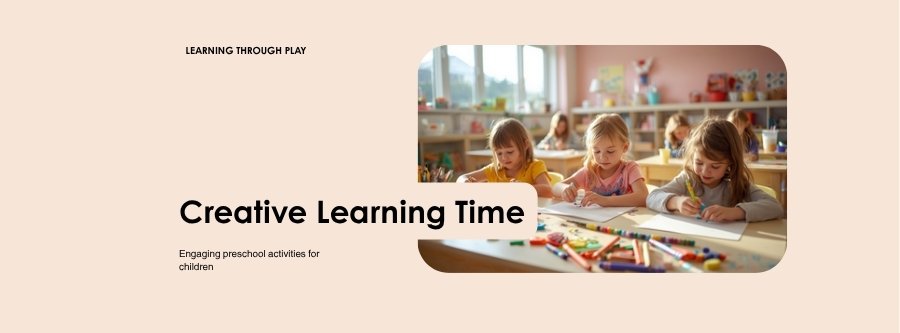
While gross motor skills like running and climbing tend to grab the most attention, fine motor skills, the small, precise movements of the hands and fingers, are equally critical for a child’s independence and academic readiness. From holding a crayon to buttoning a shirt, fine motor control underpins countless daily activities and learning experiences.
What Are Fine Motor Skills?
Fine motor skills involve the coordination of small muscles, primarily in the hands and fingers, with the eyes. They enable tasks that require precision, control, and dexterity. Fine motor development is closely linked to hand-eye coordination, bilateral coordination (using both hands together), and hand strength, all of which develop gradually through practice and play.
Fine Motor Milestones by Age
Between 12 and 18 months, toddlers typically begin to grasp crayons in a fist grip and make random marks on paper. They can pick up small objects using a pincer grasp (thumb and forefinger), stack two to three blocks, and turn pages of a board book (usually several at a time).
By age two, children can stack four to six blocks, turn single pages, unscrew lids, and begin to use a spoon with increasing accuracy. Their scribbles become more controlled, though still without representational intent.
Three-year-olds typically begin to use scissors (snipping rather than cutting along a line), draw circles and simple faces, thread large beads onto string, and manage some dressing tasks like pulling up trousers. Their grip on writing tools transitions from a fist grip toward a more mature grasp.
Four-year-olds can cut along a straight line, draw recognisable shapes (squares, crosses), begin to write some letters (often their name), button and unbutton large buttons, and use a fork with reasonable accuracy. Their drawings become increasingly representational, with figures featuring distinct body parts.
By age five, most children can cut along curved lines, draw detailed figures with multiple body parts and features, write their name and several letters, tie simple knots, and manage most dressing tasks independently. Their pencil grip has typically matured to a dynamic tripod or similar functional grasp.
Why Fine Motor Skills Matter for School Readiness
Fine motor competence is one of the strongest predictors of academic success in the early school years. Children who enter school with well-developed fine motor skills are better equipped for handwriting, craft activities, and the countless small manipulations that classroom learning demands, from turning pages and using scissors to opening containers and managing belongings.
Poor fine motor development can lead to frustration, avoidance of writing and drawing activities, and reduced independence in self-care tasks. Importantly, fine motor delays do not reflect intelligence; they reflect the maturity of specific neural and muscular systems that can be developed with targeted practice.
Activities That Build Fine Motor Skills
Fine motor development thrives through hands-on, play-based experiences. Playdough and clay work strengthen hand muscles. Threading, lacing, and bead-stringing develop bilateral coordination and precision. Drawing, painting, and colouring promote hand-eye coordination and grip development. Construction with small pieces (like interlocking bricks) builds spatial awareness and finger strength. Water play with pouring, squeezing, and transferring develops wrist control. Even everyday tasks, such as spreading butter on toast, peeling stickers, and zipping jackets, contribute to fine motor development.
The key is variety and frequency. Children who engage in a wide range of fine motor activities throughout each day develop stronger, more coordinated hands than those whose play is primarily screen-based or large-motor focused.
Educators can track fine motor progress alongside other developmental domains to build a complete picture of each child’s readiness and growth. Personhood360 makes it easy to capture these observations in the moment, ensuring that planning reflects each child’s current skills and next steps across all areas of development.