



Social-emotional learning has become one of the most discussed topics in early childhood education. But beyond the acronym, what does SEL actually mean in practice, and why has it become such a priority for educators, researchers, and policymakers?
Defining SEL
Social-emotional learning refers to the process through which children develop the ability to understand and manage their emotions, set and achieve positive goals, feel and show empathy for others, establish and maintain positive relationships, and make responsible decisions. It encompasses five core competencies: self-awareness, self-management, social awareness, relationship skills, and responsible decision-making.
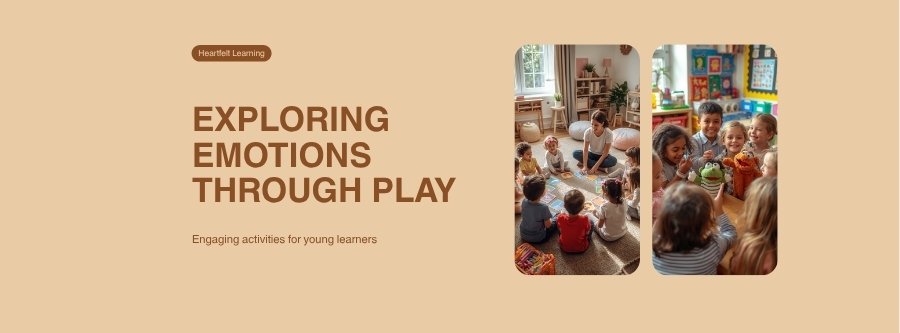
In early childhood, SEL is not a separate curriculum or set of lessons. It is woven into every interaction, routine, and experience throughout the day. Circle time conversations about feelings, conflict resolution during play, comforting a friend who is upset, learning to wait for a turn: all of these are SEL in action.
Why SEL Matters
Research consistently shows that strong social-emotional skills in early childhood predict positive outcomes across the lifespan. Children who develop these competencies early are more likely to succeed academically, maintain healthy relationships, have better mental health, and contribute positively to their communities. Conversely, children who enter school without foundational social-emotional skills are at increased risk for behavioural difficulties, academic struggles, and social isolation.
The connection between SEL and academic learning is direct: a child who can manage their emotions, pay attention, follow instructions, and work cooperatively with peers is a child who is ready to learn. SEL does not compete with academic learning. It enables it.
SEL in Practice
Effective SEL in early childhood settings looks like educators who name and validate children’s emotions throughout the day, consistent routines that help children feel safe and predict what comes next, intentional teaching of social skills through modelling and guided play, opportunities for children to practise problem-solving and conflict resolution, read-alouds and discussions that explore characters’ emotions and social situations, and inclusive environments where every child feels a sense of belonging.
Integrating SEL Across the Program
The most effective approach to SEL is integration rather than isolation. Rather than scheduling a weekly “feelings lesson,” skilled educators embed social-emotional learning into every part of the day: transitions, mealtimes, outdoor play, creative activities, and group experiences. This ensures that SEL is authentic, contextualised, and responsive to children’s real social and emotional experiences.
Documenting SEL development helps educators track each child’s social-emotional growth and plan responsive support. Personhood360 supports this by enabling educators to record wellbeing markers and social-emotional observations alongside other developmental domains, creating a holistic picture that puts children’s emotional lives at the centre of educational planning.