



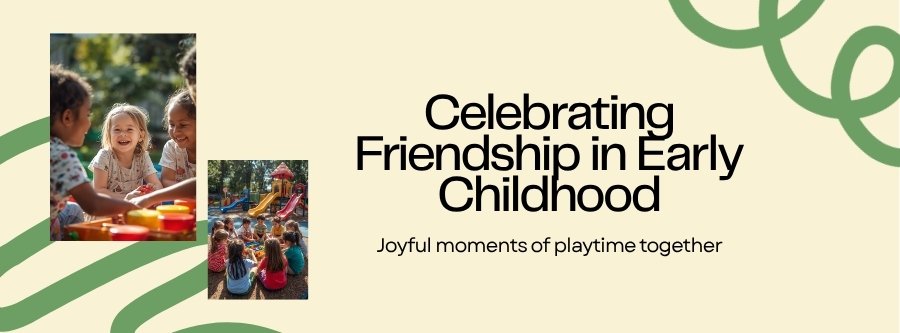
Friendship in early childhood looks different from adult friendship, and understanding what is developmentally normal helps parents support their child’s social development without unnecessary anxiety. Some children make friends quickly and easily. Others take longer. Both patterns are within the range of normal.
Friendship Development by Age
Two-year-olds typically play alongside other children (parallel play) rather than with them. They may show preference for particular peers, but their interactions are brief and often revolve around shared interest in materials rather than genuine social connection. True friendship, involving reciprocal interaction, shared goals, and emotional connection, begins to emerge around age three and develops significantly between ages four and five.
By age four to five, children typically have one or two preferred playmates, can sustain cooperative play, negotiate conflicts (with varying success), and express caring for friends. Friendships at this age tend to be based on proximity and shared interests rather than deep emotional bonds, and they may change frequently.
Supporting Social Skills at Home
Parents can support friendship development by arranging playdates (starting small, with one peer in a familiar environment), modelling social behaviours like greeting, sharing, and turn-taking, reading books about friendship and discussing characters’ social interactions, role-playing social scenarios, and avoiding labelling children as “shy.” Instead, acknowledge that some children take longer to warm up to new people.
When to Be Concerned
While social development varies, persistent social isolation, complete avoidance of peers, extreme distress in social situations, or inability to engage in any interactive play by age four may warrant discussion with the child’s educator or a child psychologist.
Educators who document social interactions and friendship patterns using platforms like Personhood360 can identify children who may benefit from targeted social support and share observations with families to ensure consistency between home and centre.