



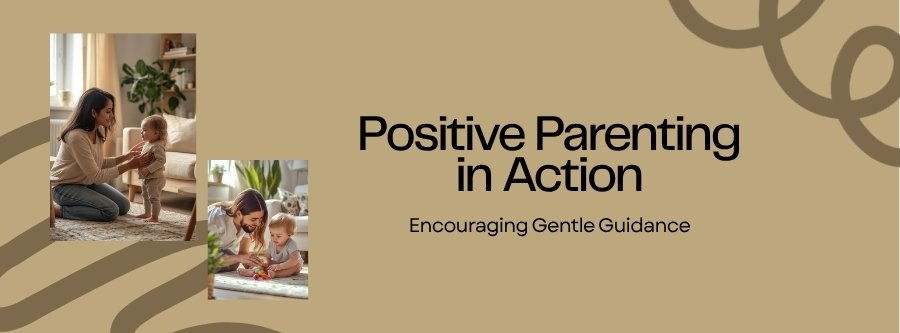
Discipline in the toddler years is one of the most frequently searched and debated parenting topics. The word “discipline” comes from the Latin “disciplina,” meaning instruction and training, not punishment. Positive discipline approaches focus on teaching children appropriate behaviour while maintaining warmth, respect, and connection.
Understanding Toddler Behaviour
Most “misbehaviour” in toddlers is actually developmentally appropriate behaviour. Toddlers test boundaries because they are learning where boundaries exist. They grab toys from peers because they have not yet developed the cognitive capacity for sharing. They say “no” to everything because they are discovering autonomy. Understanding the developmental drivers behind behaviour helps adults respond with patience and strategy rather than frustration and punishment.
Core Positive Discipline Strategies
Set clear, simple boundaries and enforce them consistently and calmly. “We sit down to eat” is clearer than “Don’t stand on your chair.” Use redirection to guide children from undesirable to acceptable behaviour. Offer choices within limits to support autonomy (“Do you want to wear the blue shirt or the red shirt?”). Use natural and logical consequences rather than arbitrary punishments. Focus on what the child can do rather than what they cannot. Maintain connection throughout: discipline works best when the child feels loved and secure.
What Does Not Work
Punitive approaches (yelling, smacking, shaming, time-outs used as isolation) may produce short-term compliance but do not teach the skills children need to manage their behaviour independently. Research consistently shows that harsh discipline increases behaviour problems over time, damages the parent-child relationship, and models the very behaviours (aggression, coercion) that parents are trying to eliminate.
In early childhood settings, positive behaviour guidance creates environments where children feel safe, understood, and supported. Tracking behavioural patterns alongside wellbeing using Personhood360 helps educators identify triggers, plan proactive strategies, and communicate effectively with families about behaviour management approaches.