



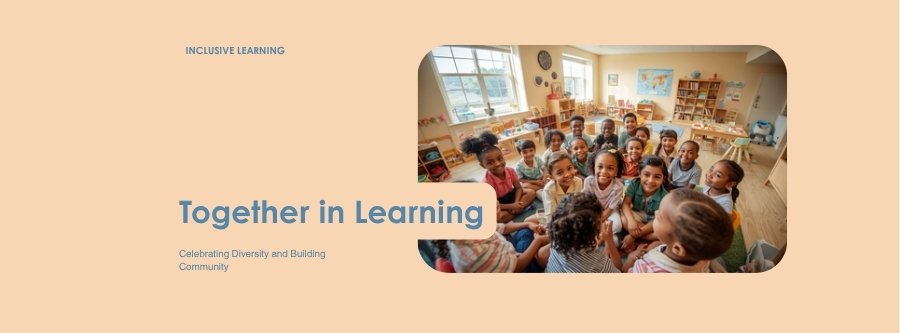
Belonging (feeling accepted, valued, and included) is a fundamental human need, and its importance in early childhood cannot be overstated. Australia’s Early Years Learning Framework places belonging as one of its three foundational concepts (Belonging, Being, and Becoming), recognising that children’s ability to learn and develop is deeply connected to their sense of being part of a community.
What Belonging Looks Like for Young Children
A child who belongs feels safe to express their feelings, confident to explore and take risks, connected to peers and educators, represented in the environment (seeing their family, culture, and language reflected), and valued for who they are, not just what they can do. When children belong, they are free to learn.
How Educators Create Belonging
Physical environment matters: displaying family photos, incorporating diverse cultural materials, providing books in home languages, and creating spaces that feel welcoming and personal. Relationships are paramount: learning each child’s name pronunciation, understanding their interests, responding to their emotional needs, and treating every family with respect and inclusion. Routines that honour traditions, rituals that mark transitions, and group experiences that celebrate diversity all contribute to a culture of belonging.
Inclusion as a Practice
Belonging extends to children with diverse abilities, backgrounds, and family structures. Inclusive practice means adapting environments, curriculum, and interactions so that every child can participate meaningfully. It means representing diverse families in books, conversations, and displays. It means creating spaces where differences are celebrated, not merely tolerated.
Belonging and Wellbeing
Belonging and wellbeing are mutually reinforcing. Children who feel they belong have higher wellbeing. Children with strong wellbeing are better able to form the connections that create belonging. Tracking both, using structured wellbeing frameworks like those in Personhood360, helps educators ensure that every child in their care feels seen, valued, and included in their learning community.