



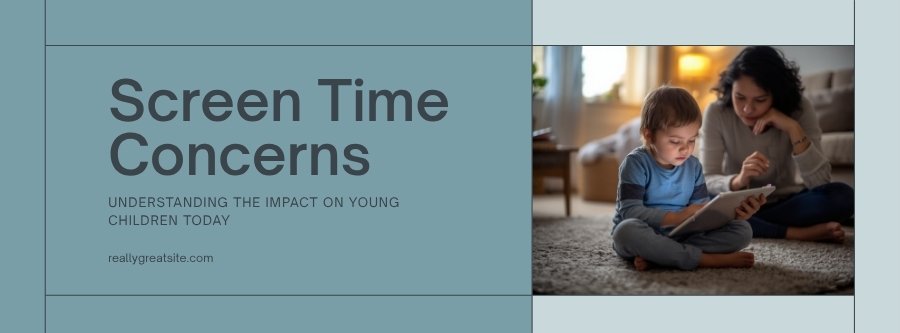
Screen time is one of the most searched parenting topics, reflecting widespread anxiety about the role of technology in young children’s lives. Current evidence and guidelines offer clear direction, though the nuances matter as much as the headline recommendations.
Current Guidelines
The World Health Organization and most national health authorities recommend no screen time for children under two (with the exception of video calling with family members) and no more than one hour per day for children aged two to five. Australia’s Department of Health guidelines align with these recommendations, emphasising that sedentary screen time should be minimised and that when screen time does occur, it should involve high-quality content and active co-viewing with a caregiver.
Why the Limits Matter
The concerns about excessive screen time are grounded in research showing that heavy screen use in early childhood is associated with language delays, reduced attention spans, sleep disruption, decreased physical activity, and displacement of the interactive, hands-on play that drives healthy development. The developing brain needs multi-sensory, relational, active experiences, and screens, regardless of content quality, are inherently passive and two-dimensional.
Quality and Context Matter
Not all screen time is equal. A parent watching an interactive educational program with their child, pausing to discuss content and connect it to real-life experiences, is qualitatively different from a child passively watching videos alone. Co-viewing transforms screen time from a passive experience into an interactive one, but it does not eliminate the displacement concern. Time spent on screens is time not spent on play, conversation, and physical activity.
Practical Strategies
Establish screen-free zones and times (mealtimes, bedrooms, the hour before sleep). Prioritise active play, reading, and conversation over screen-based entertainment. When screen time does occur, choose high-quality, age-appropriate content and watch together. Model healthy screen habits. Children notice how much time adults spend on devices.
In early childhood settings, screen use should be minimal and intentional. Educators can track how children engage with both screen-based and hands-on experiences using Personhood360, ensuring that programming prioritises the active, relational, play-based learning that evidence shows children need most.