



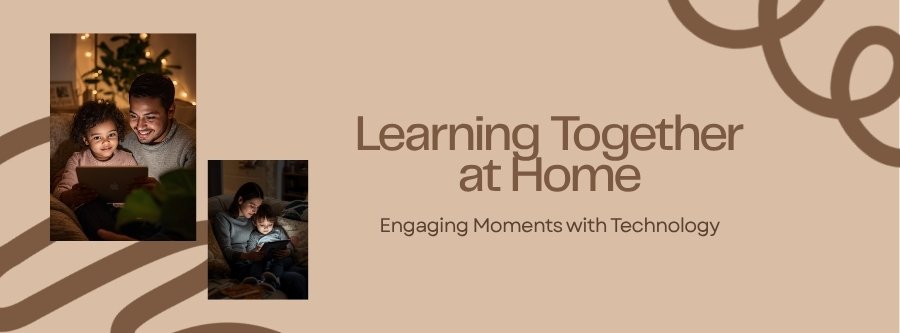
The educational app market has exploded, with thousands of apps claiming to teach everything from letters and numbers to coding and mindfulness. Parents understandably want to know: do these apps actually work? The answer is nuanced. Some apps can support learning in limited ways, but they cannot replicate the depth of learning that occurs through play, conversation, and hands-on exploration.
What Makes an App “Educational”?
The term “educational” is unregulated. Any app can claim the label regardless of evidence. Genuinely effective educational apps share certain characteristics: they are interactive (requiring the child to think and respond, not just watch), they build on what children already know, they provide appropriate feedback, and they are designed based on developmental principles. Many popular “educational” apps are essentially digital worksheets or passive entertainment dressed in educational packaging.
What Apps Can and Cannot Do
Well-designed apps can reinforce specific skills (letter recognition, phonics practice, counting, shape identification) through engaging, interactive practice. However, they cannot develop the social skills, emotional regulation, physical coordination, creative thinking, and language complexity that arise from real-world play and human interaction. No app can replicate the developmental richness of building with blocks, playing pretend with a friend, or having a conversation with a caring adult.
The Co-Viewing Factor
Apps are most effective when used together with an adult who can discuss content, connect it to real-world experiences, and extend the learning beyond the screen. A parent who sits with a child using a letter-recognition app and then plays a real-world letter hunt around the house transforms a limited screen experience into a richer learning opportunity.
Recommendations
Choose a small number of high-quality, genuinely interactive apps rather than downloading dozens. Use them within screen time guidelines. Always complement screen-based learning with hands-on, real-world experiences. And remember that the most effective “educational technology” for young children remains the same as it has always been: a caring adult, a rich environment, and the freedom to play.
In early childhood settings, the emphasis should remain on active, hands-on, play-based learning. Personhood360 supports educators in documenting the real-world learning experiences that drive development, demonstrating to families that the best early education happens beyond the screen.