



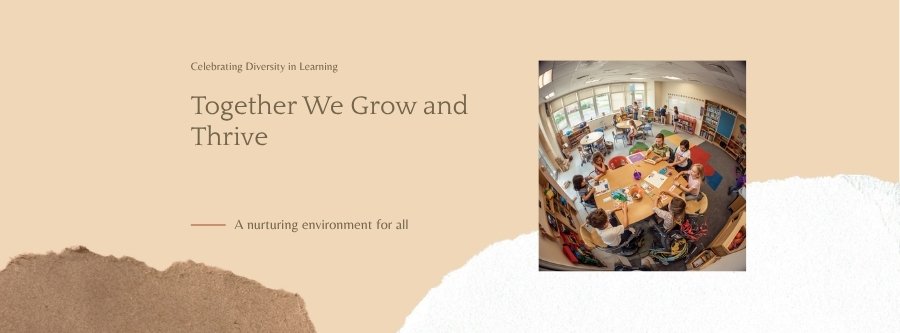
Inclusive early childhood education means ensuring that every child, regardless of ability, diagnosis, or developmental profile, can participate meaningfully in the learning community. This is not just an ethical principle; it is a legal requirement under Australian disability discrimination legislation and a core element of the National Quality Standard.
Inclusive Practice Is Good Practice
The strategies that support children with additional needs (clear routines, visual schedules, adapted environments, responsive relationships, differentiated activities) benefit all children. Inclusive practice raises the quality of education for everyone, not just children with identified needs.
Environmental Adaptations
Simple environmental changes can make a significant difference: reducing sensory overload (noise, visual clutter), providing quiet retreat spaces, using visual schedules and timers, ensuring physical accessibility, offering a range of seating and positioning options, and providing materials at varying levels of complexity so every child can engage meaningfully.
Relationship-Based Support
The most important thing an educator can offer a child with additional needs is a warm, consistent, patient relationship. Understanding the child as an individual (their strengths, interests, preferences, and challenges) enables the educator to adapt their approach in ways that honour the child’s identity while supporting their development.
Collaboration with Specialists
Educators are not expected to be therapists, but they are expected to collaborate with the specialists who support each child. Attending planning meetings, implementing strategies recommended by speech pathologists or occupational therapists, and communicating regularly with families and support teams ensures that the child receives consistent, coordinated care across all settings.
Documentation and Communication
Detailed, systematic documentation of each child’s progress, challenges, and responses to strategies is essential for inclusive practice. It informs planning, demonstrates progress, supports reviews, and communicates the child’s experience to families and specialists. Personhood360 provides a structured framework for tracking development across all domains, making it easier for educators to document inclusive practice and share meaningful progress information with families and support teams.