



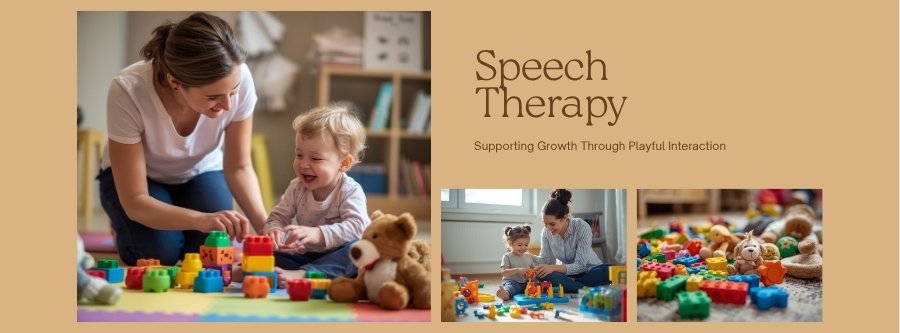
Speech and language delays are among the most common developmental concerns identified in early childhood, and the good news is that a range of effective therapies are available. Understanding the options helps parents make informed decisions about the best path forward for their child.
Speech Pathology
Speech-language pathologists (SLPs) are the primary professionals for addressing speech and language delays. They assess and treat difficulties with articulation (producing sounds clearly), expressive language (using words and sentences), receptive language (understanding spoken language), fluency (stuttering), and pragmatic language (using language socially). Therapy may be individual or group-based and typically involves play-based activities tailored to the child’s age and interests.
Early Intervention Programs
Structured early intervention programs provide intensive support for children with significant language delays or those with associated conditions such as autism. These programs often combine speech pathology with other therapeutic supports and may be centre-based, home-based, or a combination of both.
Parent-Implemented Approaches
Research increasingly supports models where therapists coach parents to implement language-building strategies in everyday interactions. These approaches are effective because they embed intervention into the thousands of daily interactions between parent and child.
Augmentative and Alternative Communication (AAC)
For children with significant speech difficulties, AAC tools (including picture exchange systems, communication boards, and speech-generating devices) provide alternative ways to communicate while oral speech develops. Contrary to outdated concerns, AAC does not inhibit speech development. It supports it by reducing frustration and enabling meaningful communication.
Accessing Support
In Australia, speech pathology services are available through public health systems, NDIS-funded providers, and private practices. Medicare rebates may be available through a Chronic Disease Management Plan from a GP. Wait times for public services can be long, so initiating referrals early is important.
Educators can support this process by documenting specific communication behaviours over time using Personhood360, providing families and clinicians with the detailed observational data that supports assessment, intervention planning, and progress monitoring.