



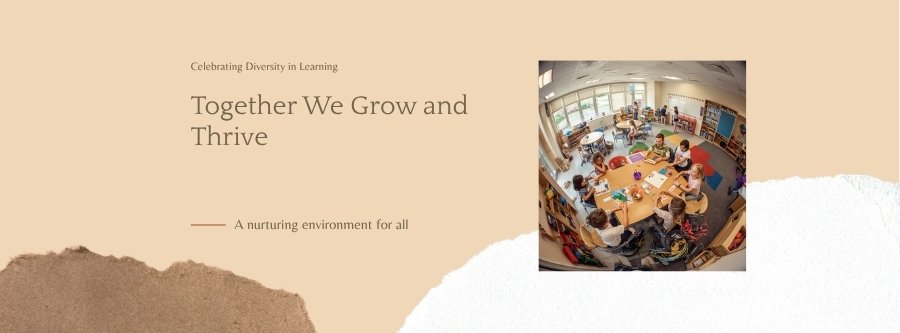
Inclusion in early childhood education means more than simply placing children with additional needs in the same room as their peers. It means designing environments, programs, and relationships so that every child can participate, contribute, and belong, regardless of their abilities, background, or developmental profile.
Universal Design for Learning
Universal Design for Learning (UDL) provides a framework for creating inclusive programs. The core principles are: provide multiple means of representation (present information in different ways), multiple means of engagement (offer different ways to motivate and involve children), and multiple means of action and expression (give children different ways to demonstrate what they know). When activities are designed with flexibility from the start, they naturally accommodate a wider range of abilities.
Environmental Design
Inclusive environments consider physical accessibility, sensory needs, and cognitive accessibility. Ramps and wide pathways accommodate mobility aids. Quiet spaces provide retreat for children who are sensory-sensitive. Visual schedules support children who benefit from pictorial routine cues. Materials at varying levels of complexity ensure that every child can engage with the same activity at their own developmental level.
Attitudinal Foundations
The most important element of inclusion is attitude. When educators genuinely believe that every child belongs and can contribute, they find creative ways to make participation possible. When inclusion is treated as a burden or a compliance requirement, children sense it, and the benefits are diminished.
Peer Support
Inclusive settings benefit all children. Research shows that typically developing children in inclusive classrooms develop stronger empathy, greater acceptance of diversity, and enhanced social skills. Children with additional needs benefit from peer modelling, social interaction with a diverse range of children, and the sense of belonging that comes from being part of a learning community.
Documenting inclusive practice and tracking each child’s participation and progress using Personhood360 helps educators demonstrate the impact of inclusion, plan responsive support, and communicate each child’s journey to families with evidence and care.