



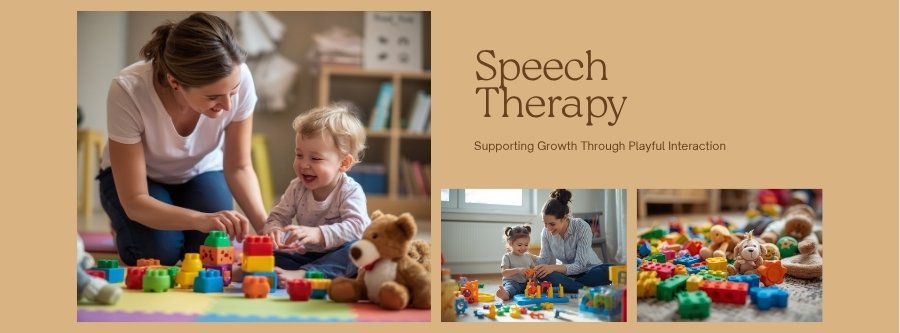
Occupational therapy (OT) is one of the most valuable, and frequently misunderstood, services available to young children. In early childhood, “occupation” refers to the activities that fill a child’s day: playing, eating, dressing, drawing, socialising, and learning. Occupational therapists help children develop the skills needed to perform these activities successfully and independently.
What OTs Address
In early childhood, occupational therapists commonly work on fine motor skills (pencil grip, cutting, manipulating small objects), gross motor skills (balance, coordination, body awareness), sensory processing (helping children who are over- or under-responsive to sensory input), self-care skills (dressing, eating, toileting), visual motor skills (hand-eye coordination, drawing, copying), and attention and self-regulation (helping children manage arousal levels and focus).
How OT Works in Early Childhood
Paediatric OT is play-based. Therapy sessions look like play, because for young children, play is the vehicle for developing the motor, sensory, and cognitive skills that daily living demands. An OT session might involve obstacle courses (for motor planning and coordination), art activities (for fine motor skills), sensory play (for sensory processing), cooking activities (for sequencing and self-care), and social games (for interaction and regulation).
When to Seek OT
Consider a referral to an occupational therapist if your child has difficulty with age-appropriate fine motor tasks, avoids or is distressed by certain textures or sensory experiences, struggles with balance and coordination beyond what is expected for their age, is significantly delayed in self-care skills, has difficulty regulating attention and arousal, or has been identified with a condition that affects motor or sensory development.
OTs and Educators Working Together
The most effective outcomes occur when OTs and educators collaborate. OTs can provide strategies that educators implement in the daily program, adapt activities and environments to support individual children, and contribute to individual plans and reviews. Regular communication between OTs and educators ensures that therapeutic strategies are embedded in everyday experiences rather than confined to therapy sessions.
Documenting a child’s occupational development alongside other domains using Personhood360 provides OTs, educators, and families with a shared picture of progress that supports collaborative planning and celebrates growth across all areas of the child’s life.