



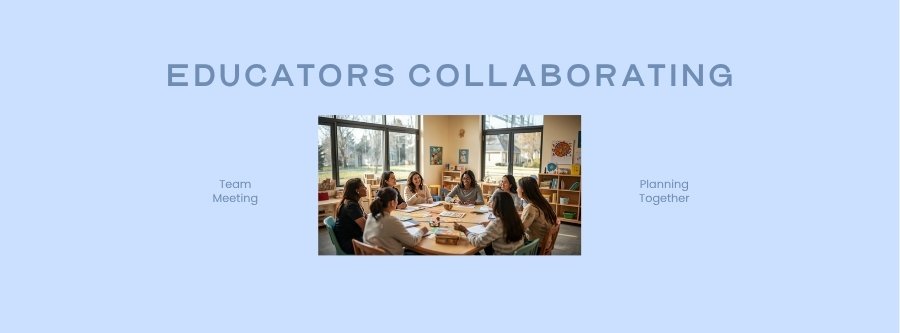
Burnout in early childhood education is not a personal failing. It is a systemic challenge rooted in the demands of the profession. Low pay, high emotional labour, complex regulatory requirements, challenging behaviours, and increasingly burdensome documentation expectations contribute to burnout rates that are among the highest in any profession. Understanding and addressing burnout is essential for the wellbeing of educators and the children they serve.
Recognising Burnout
Burnout manifests in three dimensions: emotional exhaustion (feeling drained and depleted), depersonalisation (becoming emotionally detached from the children and families in your care), and reduced personal accomplishment (feeling that your work does not matter or make a difference). Early signs include chronic fatigue, dreading going to work, irritability, cynicism, difficulty concentrating, physical illness, and withdrawal from colleagues.
Systemic Factors
While individual coping strategies are important, burnout is primarily a systemic issue that requires systemic solutions. Adequate staffing, fair compensation, manageable documentation expectations, supportive leadership, professional development opportunities, and time for planning and reflection all reduce burnout risk. Educational leaders who prioritise educator wellbeing alongside child outcomes create the conditions for sustainable, high-quality practice.
Individual Strategies
Educators can also take steps to protect their own wellbeing: setting boundaries between work and personal life, seeking peer support and mentoring, engaging in reflective practice to maintain a sense of purpose, pursuing professional development that reignites passion, practising self-care without guilt, and seeking help when burnout symptoms become persistent.
Technology as a Solution, Not a Burden
One of the most practical ways to reduce burnout is to reduce administrative burden. Documentation that takes hours of personal time each week is a significant contributor to educator fatigue. Platforms like Personhood360 are designed to streamline documentation, consolidating activity planning, developmental tracking, and family communication into a single, efficient system, so that educators can spend more time doing what they entered the profession to do: being present with children.