



Not all stress is created equal when it comes to brain development. While some stress is normal and even beneficial for growing brains, toxic stress – prolonged, severe adversity without adequate adult support – can have lasting effects on brain architecture, learning, behaviour, and health. Understanding the difference helps parents, educators, and communities protect children’s developing brains.
Three Types of Stress
Positive stress involves brief, manageable challenges in the presence of supportive adults – meeting a new person, attempting a difficult task, getting a vaccination. The stress response is activated briefly and returns to baseline quickly. This type of stress is healthy and promotes resilience.
Tolerable stress involves more significant adversity – the loss of a loved one, a natural disaster, a serious illness – but in the context of supportive relationships that help buffer the child’s stress response. With adequate support, children can recover and even grow from these experiences.
Toxic stress occurs when a child experiences severe, prolonged adversity – abuse, neglect, chronic household dysfunction, violence – without the buffer of supportive adult relationships. The stress response system remains activated for extended periods, flooding the developing brain with cortisol and other stress hormones that can damage neural architecture, impair memory and learning systems, and alter the brain’s stress-response calibration.
How Toxic Stress Affects the Brain
Chronic exposure to toxic stress can reduce the size and connectivity of the prefrontal cortex (affecting executive function, attention, and self-regulation), enlarge and hyperactivate the amygdala (increasing fear, anxiety, and emotional reactivity), impair the hippocampus (affecting memory and learning), and alter the stress-response system itself (leading to heightened reactivity to future stress).
The Protective Power of Relationships
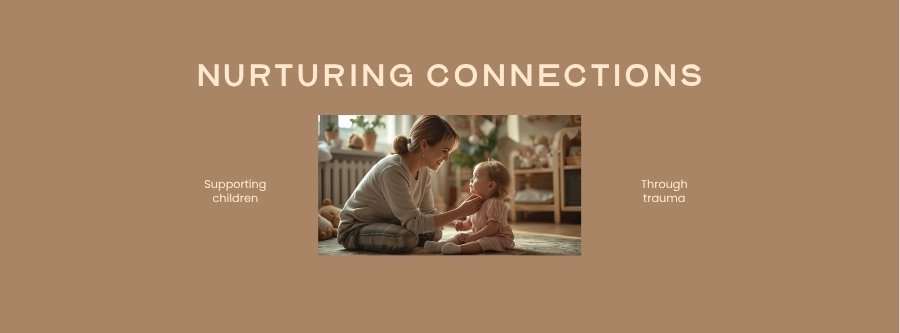
The single most powerful buffer against toxic stress is a stable, responsive, caring relationship with at least one adult. This relationship does not need to be with a parent – grandparents, extended family members, and early childhood educators can all serve as protective figures. When a caring adult is present, the child’s stress response system is buffered, reducing the physiological impact of adversity.
The Role of Early Childhood Settings
Quality early childhood education can serve as a powerful protective factor for children experiencing adversity. Warm, stable relationships with educators, predictable routines, safe environments, and opportunities for play and healing all contribute to resilience. Educators who are trauma-informed – who understand the effects of adverse experiences on behaviour and development – can adapt their practice to support children who have experienced trauma.
Tracking wellbeing over time using Personhood360 helps educators identify children who may be experiencing the effects of stress or adversity, enabling early, responsive support that can mitigate the long-term impacts on brain development and learning.