



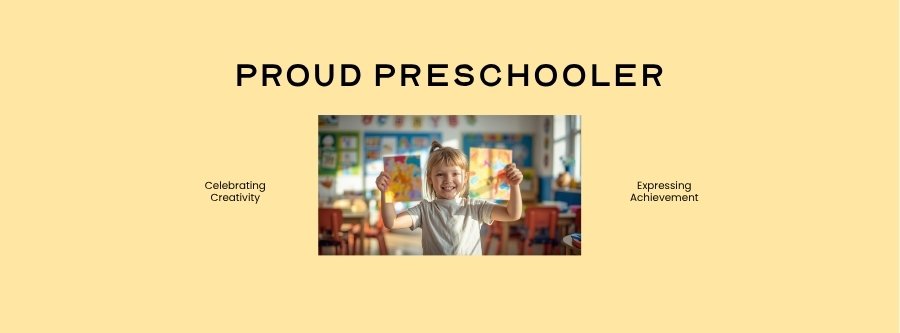
Self-esteem, a child’s sense of their own worth and capability, begins forming in the earliest months of life and is profoundly shaped by the relationships and experiences of the early years. Children who develop healthy self-esteem are more confident, resilient, and willing to take the risks that learning requires. Understanding how self-esteem develops helps adults nurture it intentionally.
The Roots of Self-Esteem
Self-esteem in early childhood is built primarily through relationships. When a baby cries and a caregiver responds, the baby learns: my needs matter, and I am worthy of care. When a toddler’s attempts at independence are supported rather than shut down, they learn: I am capable. When a preschooler’s ideas and feelings are listened to and validated, they learn: what I think and feel matters.
Secure attachment, the bond formed between a child and their primary caregivers, is the single strongest predictor of healthy self-esteem. Children who feel securely attached have a stable internal base from which to explore the world, take risks, and recover from setbacks.
Competence and Mastery
Beyond relationships, self-esteem is built through experiences of competence, the feeling of “I can do it.” When a child successfully climbs a structure, completes a puzzle, pours their own drink, or writes their name, they experience mastery. These moments build confidence and reinforce the belief that effort leads to achievement.
Crucially, the sense of competence must come from genuine achievement, not empty praise. Telling a child “You’re so smart!” regardless of effort can actually undermine self-esteem by creating pressure and fragility. More effective approaches focus on effort, process, and specific achievement: “You worked really hard on that drawing. I can see how carefully you chose the colours.”
Belonging and Identity
Children also develop self-esteem through a sense of belonging: feeling accepted, valued, and included in their social groups. Early childhood settings that celebrate diversity, honour each child’s cultural and family identity, and create inclusive communities support the self-esteem of every child. When a child sees their family, language, and culture reflected positively in their learning environment, they receive a powerful message: who I am is valued.
What Undermines Self-Esteem
Conversely, self-esteem can be undermined by persistent criticism, unrealistic expectations, constant comparison with peers, lack of autonomy, and environments where mistakes are met with shame rather than support. Children who are frequently told what they cannot do, rather than what they can, develop a self-concept built on limitation rather than possibility.
Nurturing Self-Esteem in Practice
Parents and educators can nurture self-esteem by providing warm, responsive relationships; offering age-appropriate challenges that stretch skills without overwhelming; celebrating effort and progress rather than outcomes; allowing children to make choices and experience natural consequences; and creating environments where every child’s identity is represented and valued.
Tracking wellbeing alongside development helps educators identify children whose self-esteem may need additional support. Personhood360 enables educators to monitor wellbeing markers over time, noticing patterns that might indicate a child is struggling, and intervening early, before low self-esteem becomes entrenched.