



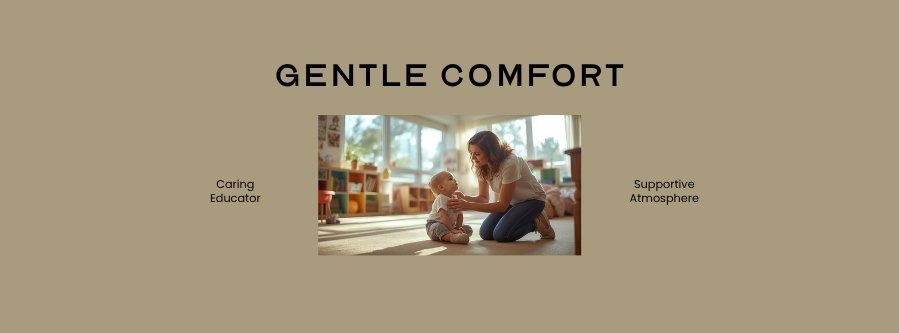
Anxiety in young children is more common than many people realise. While all children experience occasional worry, some children experience persistent, intense anxiety that interferes with their ability to play, learn, and connect with others. Early childhood educators are often the first to notice these patterns, and their response can make a significant difference.
Recognising Anxiety in Young Children
Anxiety in children under five often presents differently from anxiety in older children or adults. Rather than articulating worry, anxious young children may show excessive clinginess, frequent crying or distress during transitions, reluctance to participate in activities, avoidance of new situations or people, physical complaints (stomach aches, headaches) without medical cause, difficulty sleeping at rest time, heightened startle responses, or regression in previously acquired skills (such as toileting or speech).
Creating a Safe Base
The single most important thing an educator can do for an anxious child is to provide a consistent, warm, predictable relationship. Anxious children need to know that their educator is a safe base: someone who will respond to their distress with calm, consistent warmth, and who will not disappear unpredictably. Assigning a primary caregiver, maintaining consistent routines, and providing advance warnings of transitions all help anxious children feel safer.
Environmental Adjustments
Small environmental changes can make a big difference. Providing a quiet retreat space where children can go when they feel overwhelmed, reducing unnecessary noise and visual clutter, establishing predictable daily routines with visual schedules, and creating a gradual entry process for new children all reduce the environmental triggers that can amplify anxiety.
Building Coping Skills
Educators can teach anxious children specific coping strategies: deep breathing, counting, using calming sensory tools (soft fabrics, fidget items), identifying a “safe person” they can go to, and using simple scripts for managing worry. These strategies are most effective when taught during calm moments and then gently cued during periods of distress.
Partnering with Families
Anxiety in early childhood is best managed through consistent approaches across settings. Open, non-judgmental communication with families about what educators are observing, and what strategies are working, ensures that children receive consistent support at home and at the centre. If anxiety is persistent and significantly impacting the child’s daily functioning, educators can gently suggest that the family consult a child psychologist for further assessment.
Tracking wellbeing patterns over time is essential for identifying anxious children and monitoring the effectiveness of support strategies. Personhood360 enables educators to document wellbeing observations consistently, building a picture that supports early identification, responsive planning, and informed conversations with families.