



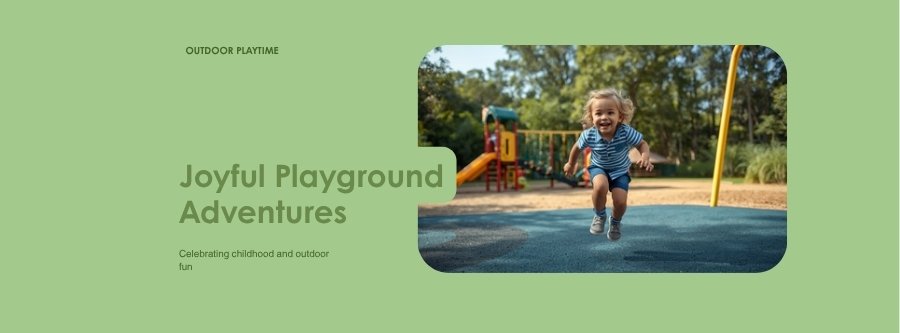
Three-year-olds are bundles of physical energy. They are running, climbing, jumping, and crashing into things with cheerful abandon. For parents and educators, understanding what gross motor skills are typical at this age helps to distinguish between normal developmental variation and potential delays that may warrant further attention.
Typical Gross Motor Skills at Age Three
By their third birthday, most children can walk and run with confidence, though their gait may still lack the smooth coordination of older children. They can climb stairs using alternating feet (though they may still come down one step at a time), jump with both feet leaving the ground simultaneously, kick a ball forward with reasonable accuracy, stand on one foot for a second or two, and pedal a tricycle.
They are also developing the ability to catch a large ball with both arms (though they may trap it against their chest rather than catching with their hands), throw overhand (with limited accuracy), and navigate simple obstacle courses. Their balance is improving rapidly, allowing them to walk along low balance beams, stand on tiptoes, and maintain stability on uneven surfaces.
Understanding the Range of Normal
As with all developmental milestones, there is a wide range of normal. Some three-year-olds are climbing playground equipment with the confidence of a mountain goat, while others prefer to keep their feet firmly on the ground. Some can kick a ball across a room, while others are still mastering the coordination required. These variations reflect differences in temperament, physical build, experience, and individual developmental timelines, not deficits.
Gender differences in gross motor development at this age are minimal, though cultural expectations and opportunities for physical play can create apparent differences. Children who have regular access to outdoor play spaces, climbing structures, and unstructured physical play tend to develop gross motor skills more rapidly than those whose environments are more constrained.
Why Gross Motor Skills Matter
Gross motor development is not just about physical fitness. It is deeply connected to cognitive, social, and emotional development. Physical play builds neural pathways, develops spatial awareness, and strengthens the vestibular and proprioceptive systems that underpin attention, balance, and body awareness. Children who move confidently are more likely to engage in social play, take appropriate risks, and develop the self-regulation skills that come from navigating physical challenges.
There is also a direct connection between gross motor competence and academic readiness. Core strength supports the posture needed for seated learning. Bilateral coordination (using both sides of the body together) underpins tasks like cutting and writing. Crossing the midline (reaching across the body’s centre) supports the left-to-right tracking needed for reading.
Supporting Gross Motor Development at Three
The most effective way to support gross motor development is simple: let children move. Daily outdoor play, access to climbing structures, opportunities to run on varied terrain, and games that involve throwing, catching, kicking, and balancing all contribute to physical development. Activities like dancing, obstacle courses, and action songs combine physical movement with rhythm, sequencing, and spatial concepts.
Educators can extend gross motor opportunities by designing outdoor learning environments that offer graduated physical challenges, such as low balance beams, stepping stones, small hills, and open spaces for running, while ensuring that children who are less physically confident are encouraged and supported rather than left behind.
When to Seek Advice
While variation is normal, certain signs at age three warrant a conversation with a health professional. These include: inability to walk steadily, significant difficulty with stairs, inability to jump with both feet, persistent toe-walking, frequent falls beyond what is expected for age, marked avoidance of physical activities, and notable asymmetry in movement or strength. An occupational therapist or physiotherapist can assess whether a child’s motor development is within the expected range and recommend targeted activities if additional support is needed.
In early childhood settings, tracking gross motor development as part of a holistic developmental profile ensures that children’s physical growth receives the same attention as cognitive and language development. Personhood360 enables educators to capture motor observations alongside all other developmental domains, creating a comprehensive picture that supports responsive planning and meaningful communication with families.