



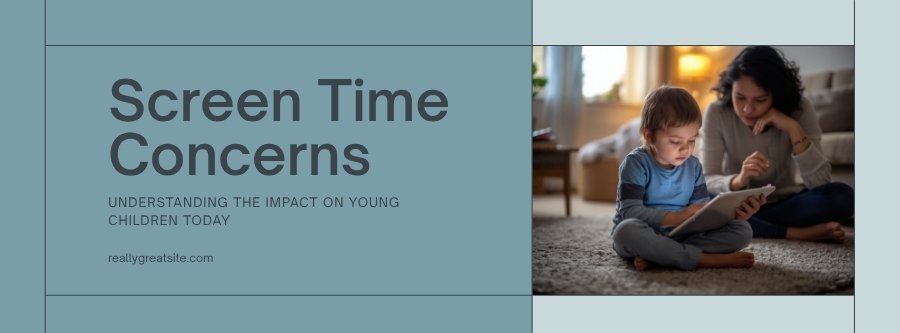
Navigating screen time for toddlers can feel like walking a tightrope. On one side, screens are ubiquitous and sometimes genuinely useful. On the other, the evidence for caution is compelling. Clear guidelines provide a practical framework for making daily decisions.
The Guidelines at a Glance
For children under 18 months, screen time should be avoided except for video calling with family members. For children aged 18 to 24 months, if parents wish to introduce screens, they should choose high-quality programming and watch it with their child, helping them understand what they are seeing. For children aged two to five, screen time should be limited to one hour per day of high-quality content, with co-viewing whenever possible.
Beyond the Numbers
While these time limits provide a useful benchmark, the quality and context of screen use matter as much as the quantity. Key principles include: always choose high-quality, age-appropriate content; watch together and discuss what you see; avoid screen time in the hour before bed (the blue light and stimulation can disrupt sleep); keep mealtimes screen-free to protect family conversation; never use screens as the primary method of calming a distressed child (this prevents them from developing internal regulation skills); and ensure that screen time does not displace physical play, outdoor time, reading, or social interaction.
Setting Yourself Up for Success
Create a family media plan that specifies when, where, and how screens are used. Having clear rules reduces daily negotiation and makes expectations predictable for children. Keep devices out of bedrooms and establish charging stations away from children’s play areas. Curate a small library of approved content rather than allowing unrestricted browsing.
Responding to Pushback
When children resist screen time limits, acknowledge their frustration, offer an appealing alternative activity, and hold the boundary consistently. Over time, children adapt to predictable limits and find satisfaction in non-screen activities.
Early childhood settings can support families by modelling screen-minimal programming and sharing the learning that happens through play. Personhood360 provides a tangible way to document and share the rich, screen-free learning experiences that characterise high-quality early childhood education.