



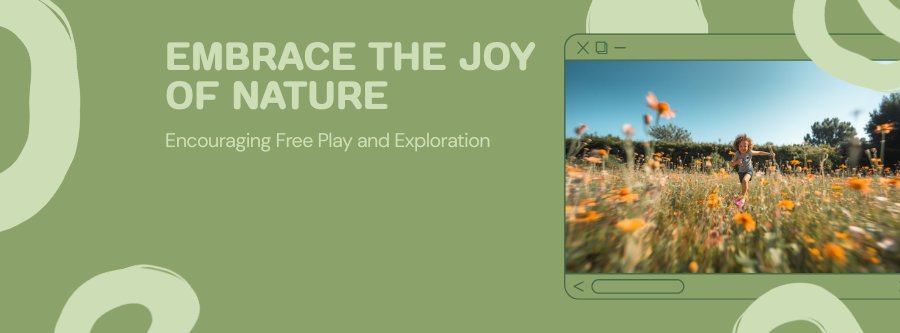
In a world of structured activities, educational programs, and screen-based entertainment, free play is increasingly squeezed out of children’s days. Yet free play (unstructured, child-directed, and intrinsically motivated) is not a luxury. It is a developmental necessity. Understanding how much free play children need, and why, can help parents and educators make informed decisions about how to structure their days.
What the Research Says
Leading child development organisations consistently recommend that young children have several hours of free play daily. The American Academy of Pediatrics emphasises the importance of unstructured play for healthy brain development. The Australian Government’s physical activity guidelines recommend that children aged one to five should not be restrained in a pram, high chair, or car seat for more than one hour at a time, and that three-to-five-year-olds should be physically active for at least three hours per day, with much of that through active free play.
For children in full-day early childhood settings, free play should form a substantial portion of the daily program, ideally at least half, with significant portions occurring outdoors. Programs that are dominated by adult-directed activities, transitions, and routines at the expense of free play are not serving children’s developmental needs.
Why Free Play Cannot Be Replaced
Free play provides developmental benefits that structured activities cannot replicate. During free play, children practise self-regulation (deciding what to do, persisting through challenges, managing frustration without adult intervention), creativity (inventing games, creating narratives, finding novel uses for materials), social negotiation (establishing rules, resolving conflicts, reading social cues), and intrinsic motivation (following their own curiosity and interests, which is the most powerful driver of deep learning).
Structured activities, no matter how well-designed, are adult-directed. Free play is child-directed. Both are valuable, but the skills developed through self-direction (autonomy, initiative, and internal motivation) can only be built through genuinely free play.
The Decline of Free Play
Over the past two to three decades, children’s free play time has declined significantly. Contributing factors include increased academic pressure on early childhood programs, parental anxiety about safety (leading to more supervised, structured activities and less outdoor free play), the rise of screen-based entertainment, and the proliferation of scheduled extracurricular activities for ever-younger children.
The consequences are beginning to show. Rising rates of childhood anxiety, declining physical fitness, and reduced social competence have all been linked, at least in part, to the loss of unstructured play. Restoring free play is not about going backwards. It is about responding to evidence about what children need to develop into healthy, capable, resilient human beings.
Practical Guidelines
For children at home: aim for at least two to three hours of unstructured play daily (including outdoor play), beyond any time spent in early childhood education. Limit structured activities to one or two per week for preschool-aged children. Protect blocks of uninterrupted play time (at least 45 minutes to an hour at a stretch) to allow deep, sustained play to develop.
For early childhood settings: ensure that free play (both indoor and outdoor) constitutes at least half of the daily program. Design environments that are rich in open-ended materials and provocations. Resist the temptation to schedule every minute. Trust children to direct their own learning during free play periods, while remaining available to observe, support, and extend.
Documenting the learning that occurs during free play helps demonstrate its value. Personhood360 enables educators to capture free play observations in the moment, linking them to developmental domains and wellbeing markers, and sharing them with families as evidence that when children play freely, they are learning deeply.