



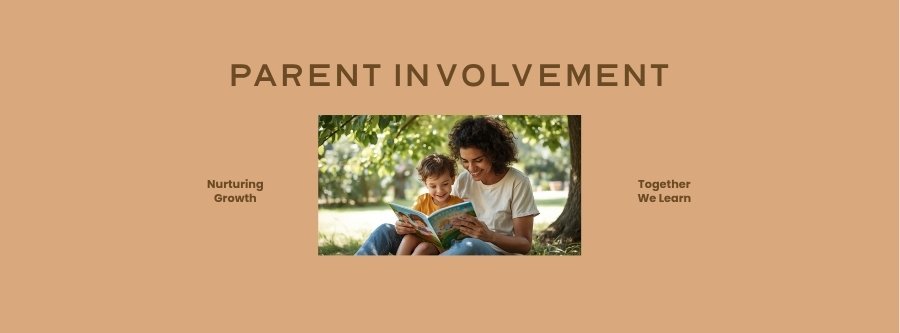
Parental involvement in early education is not about volunteering for roster duties or attending every event – it is about being an active, informed, engaged partner in your child’s learning journey. Research consistently shows that when parents are involved, children demonstrate better language development, stronger social skills, and more positive attitudes toward learning.
What Involvement Looks Like
Involvement takes many forms: talking to your child about what they did at childcare, reading together daily, extending the interests your child explores at their centre (if they are learning about insects, visit the garden together), attending parent-educator conversations, contributing to planning by sharing your child’s interests and achievements at home, and engaging with the documentation your child’s educators share.
The Power of Continuity
Children benefit most when their learning experiences are continuous between home and centre. When parents understand what their child is exploring at childcare and extend those themes at home – and vice versa – children experience learning as a coherent, connected journey rather than two separate worlds. This continuity amplifies the impact of both settings.
Overcoming Barriers
Common barriers to involvement include work schedules, language differences, feeling unwelcome or intimidated, and not understanding how to contribute. Educators can reduce these barriers by communicating in accessible ways, offering flexible engagement options, actively inviting family contributions, and using digital platforms that make involvement easy regardless of schedule.
Personhood360 supports parent engagement by sharing learning stories, developmental updates, and activity insights with families in real time, enabling parents to stay connected to their child’s learning journey and contribute meaningfully – even when time and logistics make physical presence difficult.