



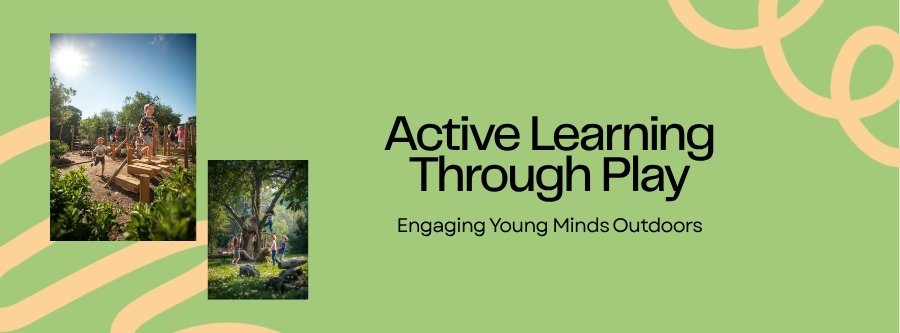
The idea that children need to sit still to learn is one of the most persistent – and harmful – myths in education. Research overwhelmingly shows the opposite: physical activity enhances learning, attention, memory, and cognitive function. For young children, movement is not a distraction from learning – it is a vehicle for it.
The Brain-Body Connection
Physical activity increases blood flow to the brain, delivering the oxygen and nutrients that neural function requires. It stimulates the release of neurotransmitters (including dopamine, serotonin, and norepinephrine) that support mood, motivation, and attention. It promotes neurogenesis – the growth of new brain cells – in the hippocampus, a region critical for memory and learning. And it strengthens the cerebellum, which is involved not only in movement but also in attention, language processing, and cognitive function.
Movement and Cognition
Studies consistently show that children who are more physically active demonstrate better attention, stronger working memory, faster processing speed, and higher academic achievement than sedentary peers. Physical activity before a learning task improves subsequent performance. Movement breaks during sustained cognitive activities restore attention and reduce disruptive behaviour.
Movement and Social-Emotional Development
Physical play is inherently social. Team games develop cooperation and sportsmanship. Rough-and-tumble play builds self-regulation and social reading. Risk-taking in physical play develops confidence and resilience. Active outdoor play reduces anxiety and stress. Movement is a powerful mood regulator for children who struggle with emotional dysregulation.
Embedding Movement in Early Childhood Programs
Quality programs embed movement throughout the day – not just during designated “physical activity” times. Transitions involve movement songs and dances. Learning experiences incorporate physical elements (counting jumps, measuring distances, acting out stories). Outdoor play is prioritised as a learning environment, not a break from learning.
Documenting children’s physical development and the learning that occurs through movement using Personhood360 helps educators demonstrate the cognitive, social, and physical benefits of active learning to families and stakeholders.