



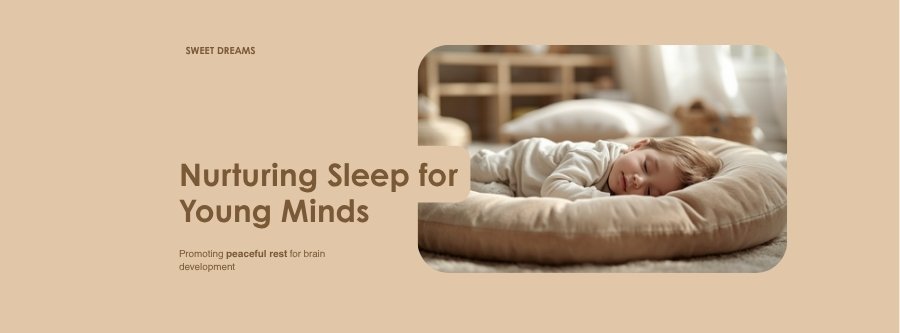
Sleep is not passive downtime – it is one of the most active and important processes for a developing brain. During sleep, the brain consolidates memories, processes emotional experiences, prunes unnecessary neural connections, and restores itself for the next day of learning. For young children, whose brains are developing at an extraordinary rate, adequate sleep is not optional – it is essential.
What Happens During Sleep
Memory consolidation occurs primarily during sleep. Information and experiences from the day are replayed, processed, and integrated into existing knowledge networks. This is why children often demonstrate new skills the day after learning them – overnight processing converts fragile new learning into stable, retrievable knowledge.
Emotional processing also occurs during sleep. Children process the emotional experiences of the day during REM (rapid eye movement) sleep, which helps regulate mood and build emotional resilience. Children who are chronically sleep-deprived show increased emotional reactivity, irritability, and difficulty managing stress.
How Much Sleep Do Children Need?
Sleep needs vary by age. Infants (4-12 months) need 12-16 hours including naps. Toddlers (1-2 years) need 11-14 hours including naps. Preschoolers (3-5 years) need 10-13 hours, which may or may not include a nap. These recommendations from the American Academy of Sleep Medicine reflect the sleep needed for optimal growth, development, and functioning.
The Consequences of Insufficient Sleep
Children who do not get enough sleep show reduced attention and concentration, impaired memory and learning, increased behavioural difficulties, weaker immune function, and higher emotional reactivity. The effects of sleep deprivation on a young child’s brain are immediate and measurable – and chronic sleep deprivation during the early years may have lasting developmental consequences.
Supporting Healthy Sleep
Consistent bedtime routines, dark and quiet sleep environments, limited screen time before bed, regular wake and sleep times, and age-appropriate nap opportunities all support healthy sleep. In early childhood settings, respecting individual children’s sleep needs – rather than imposing uniform rest schedules – supports both wellbeing and development.
Tracking children’s wellbeing, including energy levels and engagement patterns that may reflect sleep quality, helps educators identify children whose development may be affected by sleep. Personhood360 supports this through comprehensive wellbeing tracking that considers the whole child.